


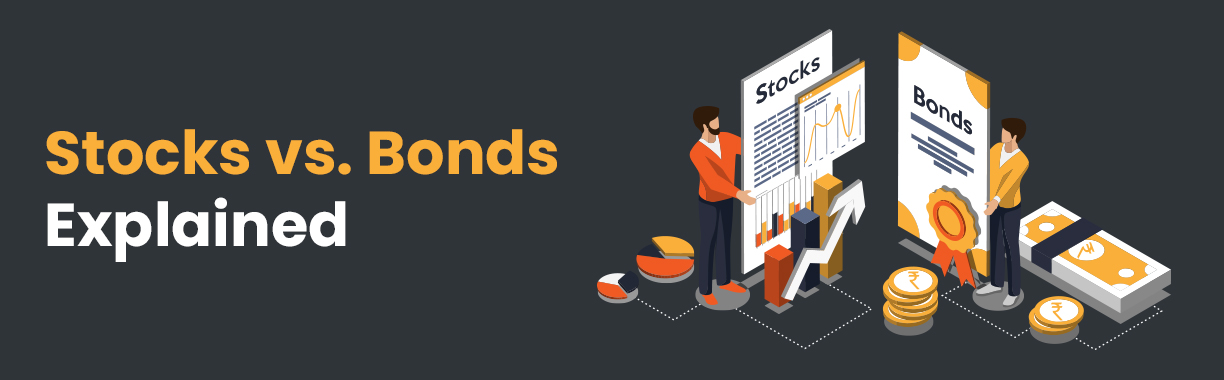
One of the best ways to grow your wealth over time is to start investing your money wisely, but it's start can feel overwhelming and challenging. With buzz terms like bonds and stocks in the mix, you may feel like you don't fully understand the different types of investments.
Stocks and bonds are two of the most popular investment options, but many people do not have a good grasp of their meanings. If you're wondering about the difference between bonds and stocks or curious about how to invest in bonds for beginners, this article will help clear the confusion.
What Are Stocks?
Let's start from the top. When you buy a stock, you're buying a slice of a company, essentially putting yourself in a position of 'ownership.' When the company does well, in good fundamental and or technical analysis form, then the value of your stock is likely to appreciate. You might even earn some of the company's profits, called a dividend, depending on the company and the position you bought into. Of course, if the company fails to perform to expectations, then you might lose money holding your stock. This is why stocks are a higher-risk, higher-reward alternative.
What Are Bonds?
When you buy a bond, you're lending money to a company or your government entity, and in return, they agree to pay you interest at regular intervals and return your money after a certain period. Traditionally, bonds are considered safer investments than stocks, especially if people want predictable returns. Consider this general comparison. When thinking of bonds vs stocks, consider stock ownership and bond lending.
Basic Difference Between Bonds and Stocks
- Risk vs Stability: Stocks can rise and fall sharply. Bonds are more stable.
- Returns: Stocks may give higher returns but with higher risk. Bonds give steady, but often lower, returns.
- Ownership: Stockholders are owners. Bondholders are lenders.
Understanding this core difference between bonds and stocks is important before you begin your investing journey.
Why Do People Prefer Bonds?
There are several advantages of bonds over stocks, especially for those who don't like surprises:
- Fixed income: You receive a regular interest payment.
- Less volatility: Bond values don't swing as much as stock prices.
- Priority: In case a company goes bankrupt, bondholders are paid before stockholders.
If your goal is to protect your capital while earning a steady income, bonds can be a smart choice.
How to Invest in Bonds for Beginners in India?
Now that you know what bonds are, the next question is: how to invest in bonds for beginners? Thankfully, it's easier than ever.
Here are a few simple steps:
- Learn about different types of bonds - Government bonds are issued by the central or state government, while corporate bonds come from private companies.
- Decide your investment goal - Are you looking for safety, income, or long-term growth?
- Check the interest rate and maturity period - Longer bonds usually pay more but lock your money for a longer time.
Where to Buy Corporate Bonds Online?
In today's digital world, you don't need to visit banks or brokers in person. If you're wondering where to buy corporate bonds online, you can do it through regulated platforms approved by SEBI. These platforms offer a list of available bonds, interest rates, and timelines in a simple, easy-to-understand format. Make sure to research the credibility of the company offering the bond.
How to Invest in Bonds and Stocks Together?
A good investor knows the value of balance. You can invest in both for a more stable portfolio. Here's how to invest in bonds and stocks smartly:
- Start small: Put a portion of your savings into each.
- Diversify: Choose companies from different sectors and mix short- and long-term bonds.
- Review regularly: Check how your investments are doing every 6 months or so.
A mix of stocks and bonds lets you enjoy the growth potential of stocks and the safety of bonds.
Which One Should You Choose?
It depends on your financial goals, age, and comfort with risk. Young investors often prefer stocks for growth. Older or conservative investors might choose bonds for safety. But most people can benefit from a mix of both.
When thinking of bonds vs stocks, ask yourself:
- Do I need regular income?
- Can I handle sudden losses?
- Am I investing for the short or long term?
These questions will help you find the right balance.
Conclusion
Understanding the basics of bonds vs stocks is the first step toward smart investing. If you're a beginner, take your time to learn, ask questions, and start small. The Indian market offers plenty of opportunities to grow your wealth securely.
And if you're exploring ways to enter the market with professional support, Indiabulls Securities Limited can be your trusted guide. With expert assistance and user-friendly platforms, they help simplify how to invest in bonds and stocks—even if you're just starting out.