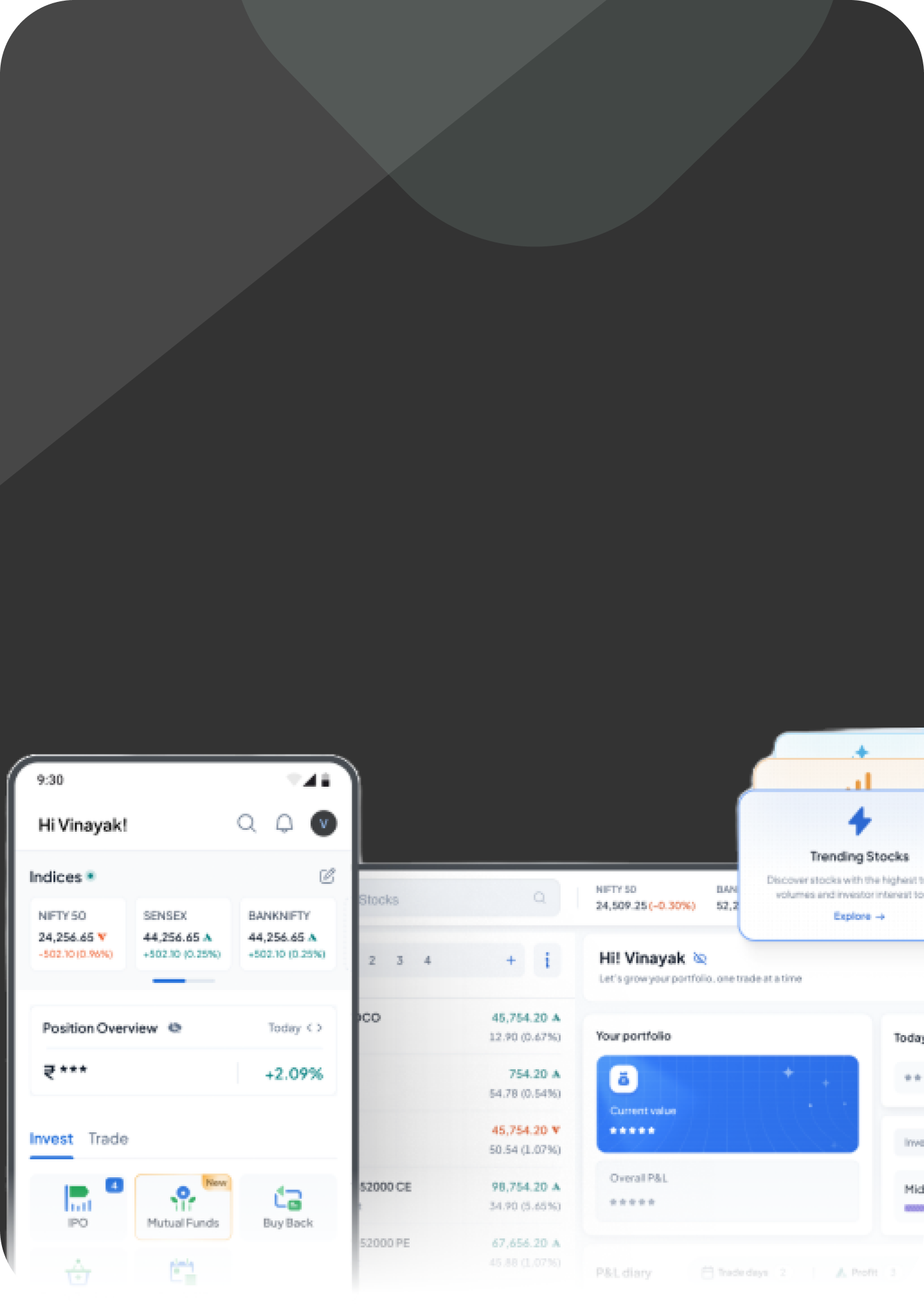




In the ever-evolving landscape of financial markets, the tools and platforms employed by traders play a significant role in shaping their psychological experience. Among these tools, Nest Trader has emerged as a noteworthy platform, providing users with a comprehensive suite of functionalities designed to enhance the trading experience. This blog post will explore the impact of Nest Trader on trading psychology, examining both its advantages and potential pitfalls.
Understanding Trading Psychology
Before delving into the intricacies of Nest Trader, it is essential to define trading psychology. This term refers to the emotional and mental factors that influence a trader’s decisions and actions in the market. Fear, greed, hope, and regret are just a few of the emotions that can significantly impact trading performance. A strong understanding of trading psychology is vital for success, as these emotions can lead to impulsive decisions that deviate from a well-researched trading plan.
The Role of Nest Trader
Nest Trader is a robust trading platform that offers a range of features designed to support traders of all levels. With its user-friendly interface, advanced charting tools, and real-time market data, Nest Trader provides an environment conducive to informed decision-making. By facilitating access to critical information and analytics, the platform may help alleviate some of the psychological pressures that traders often face.
Enhanced Decision-Making
One of the primary benefits of Nest Trader is its ability to enhance decision-making. Traders who have access to comprehensive data are better equipped to analyze market trends and evaluate potential risks. This level of preparedness can lead to increased confidence, allowing traders to make calculated decisions rather than relying on impulsive reactions driven by fear or anxiety.
Potential Pitfalls
While Nest Trader offers many advantages, it is essential to acknowledge that no platform can eliminate the challenges of trading psychology. Over-reliance on technology can lead to complacency, where traders may neglect the importance of continuous education and market research. Furthermore, the abundance of information available may overwhelm some traders, leading to analysis paralysis rather than informed decision-making.
Conclusion
In conclusion, Nest Trader significantly influences trading psychology by providing tools that enhance decision-making, reduce stress, and foster discipline. However, it is crucial for traders to maintain a balanced approach, leveraging the advantages of the platform while remaining aware of the psychological challenges inherent in trading. By combining a robust trading tool like Nest Trader with a thorough understanding of personal trading psychology, traders can better position themselves for success in the fast-paced world of financial markets.