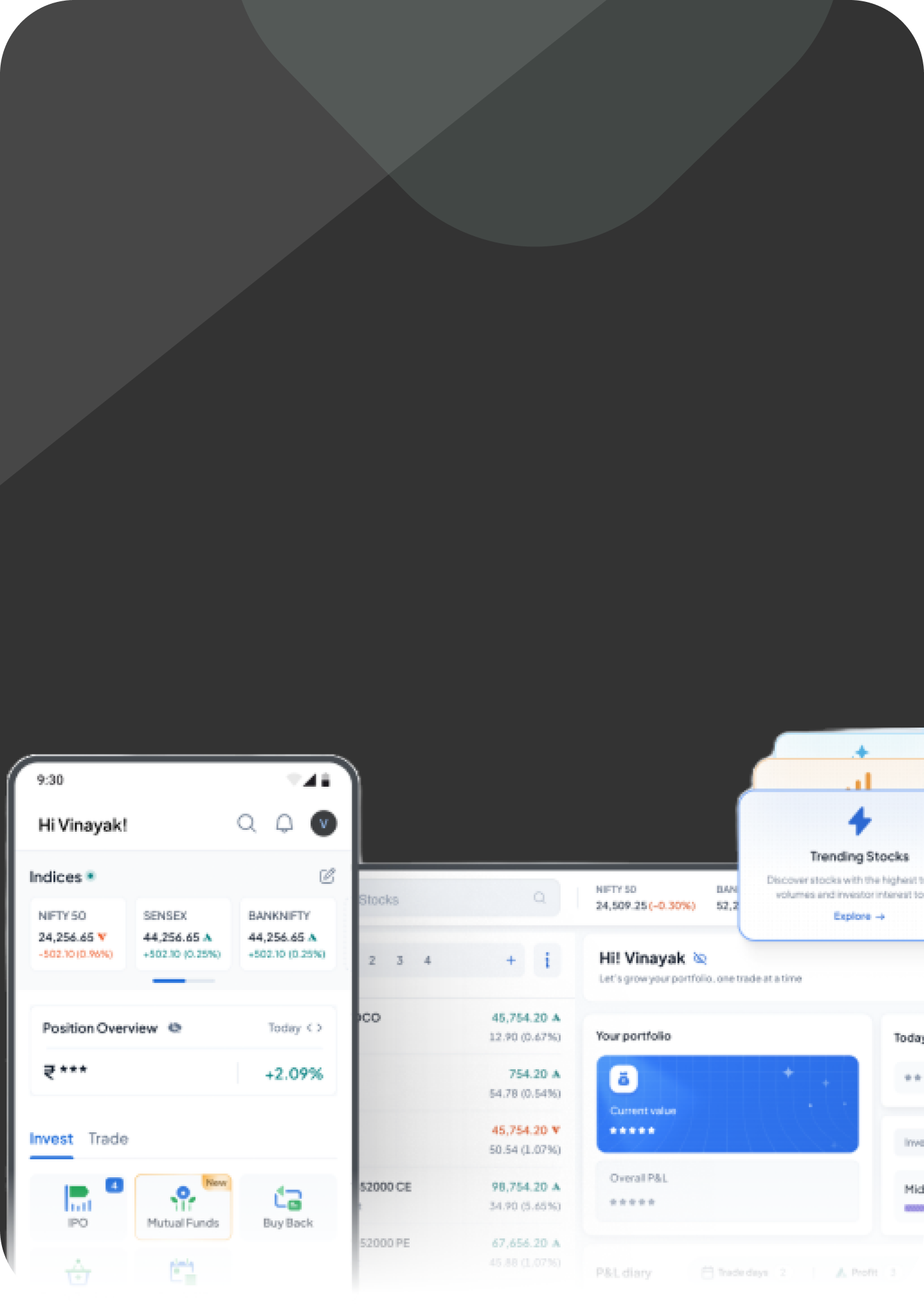




In the financial world, with multiple trading platforms, traders and investors can select from many options. If you're somebody who likes to check prices on the go, want a detailed analysis on your larger computer screen, or know about your powerful tools for professional trading, understanding the strengths and limitations of different types of trading platforms is essential.
This article breaks down the three major forms, web, mobile, and terminal-based, so you can choose the one that best matches your trading needs and preferences.
Understanding Trading Platforms
Trading platforms are digital interfaces that allow individuals to buy, sell, and monitor securities such as stocks, bonds, derivatives, and mutual funds. They connect traders to financial markets, offering a range of features like price charts, news updates, and order execution tools.
Modern trading platforms go beyond simple buying and selling. They offer real-time data, analytical tools, and even educational content to aid users in making educated decisions. But the way you access these features, whether through a browser, a mobile app, or dedicated terminal software, can make a big difference to your trading experience.
1. Web Trading Platforms - Convenience Through the Browser
A web trading platform is accessed directly through an internet browser without the need to download or install software. It's ideal for casual or beginner traders who want to monitor the markets, execute trades, and manage portfolios easily
Advantages:
- Accessible: All that is required is an internet connection to get logged in wth your PC, making it very useful if trading from different locations is important.
- Easy to use: This is generally so easy that it requires little technical brain power and knowledge.
- No updated software: This all works online, so no worries about updates, compatibilities, etc.
Disadvantages:
- Reliant on an internet connection: Connections can be poor, causing delays and disconnections in volatile trading conditions.
- Less advanced features: Software based on internet connections has fewer opportunities in the way of analysis and customisation when compared to terminal packages.
Best used by: Retail investors and beginners who are looking for simplicity and comfort rather than sophistication and anything too complicated.
2. Mobile Trading Apps - Flexibility in Your Pocket
A mobile trading app has transformed how investors can participate in markets. It gives you the flexibility to trade anytime, anywhere, whether you're travelling, at work, or at home. It is particularly popular among younger investors and those who prefer real-time access to markets on their smartphones.
Advantages:
- On-the-Go Trading: You can monitor markets, place orders, and receive instant alerts even while away from your desk.
- Intuitive Design: Most apps are built with simple, user-friendly and intuitive navigation suited for quick decisions.
- Real-Time Notifications: You can get price alerts, order updates, and market news delivered instantly. You can set a reminder and turn on notifications for regular market updates.
Limitations:
- Limited Screen Space: Small screens can make detailed chart analysis and order management more challenging.
- Battery & Data Usage: Heavy trading activity can drain your phone's battery and data quickly.
Best for: Traders who need easy accessibility with mobility, quick access, and basic functionalities while on the move.
3. Terminal Trading Software - Power and Precision for Professionals
Terminal trading software refers to downloadable platforms often used by professional traders and institutions. Terminals provide fast execution of trades with a stable connection to the markets, as well as advance functionality such as the ability to customize and quickly react to changing market conditions; they're best suited for high-frequency or technical traders.
Advantages of using these types of platforms include:
- Reliability & Speed: Designed with low latency in mind, trade executions occur at a very rapid pace.
- Tools: Many feature tools that allow for advanced charting, algorithms and scripting.
- Functionality Offline: The terminal can function offline while still utilising many of its functions.
Limitations:
- Technical Complexity: The software can be overwhelming for beginners.
- Installation Requirements: You'll need compatible hardware and regular updates.
Best for: Experienced traders and professionals who rely on data accuracy, automation, and advanced analytics.
How to Choose the Right Trading Platform
Your ideal platform will depend on your trading style, frequency, and comfort with technology. Here are some points for you to consider:
1. Experience Level:
- If you are a new investor, you may find web-based platforms easiest to start with.
- Seasoned traders might prefer the functionality of terminal software.
Trading Frequency:
- Occasional traders can benefit from a simple web or mobile platform.
- Daily or high-frequency traders need faster, more reliable terminal systems.
3. Device Preference:
- If you're mostly at a computer, a web platform is convenient.
- If you prefer mobility and easy access, mobile apps fit best.
4. Analytical Needs:
- If you rely heavily on charts, data, and scripting, terminal trading is unmatched.
5. Internet Stability:
- Ensure your chosen platform performs well even with varying network speeds.
Conclusion
In an age of digital investing, trading platforms have evolved to fit every type of trader, from those checking prices over coffee to professionals analysing data on multiple screens. If you're just starting out, explore different interfaces to see what feels comfortable and reliable. The key is to choose a platform that helps you stay informed, act confidently, and manage trades effectively, no matter where you are.
Indiabulls Securities Limited (formerly known as Dhani Stocks) offers access to a range of trading platforms designed to suit different preferences, whether you prefer the convenience of web access, the flexibility of a mobile trading app, or the advanced tools of terminal trading software.