



Investing in the stock market is not just the sole domain of those few with knowledge of finance. In the age of digitisation, anyone with a smartphone and a bank account can embark on their investment activity. However, there is one essential tool that every investor in India requires to start investing in shares - a demat account.
Understanding Demat Account
A demat account is an abbreviation of "dematerialised account." In simple terms, your demat account stores your shares and other securities in electronic form. There are no physical share certificates anymore — everything is now paperless. When you purchase a share of a company, it is credited to your demat account. And, when you sell it, the same account is debited. A demat account serves the same purpose as a bank account for money; it is simply an account for your investments.
Importance of a Demat Account
Demat accounts in India are extremely important. You'll need one to access the stock market. Without a demat account, you can't make investments tied to shares, mutual funds, bonds, or any ETF (exchange-traded fund). If you plan to hold securities in a digital or electronic form, a demat account is required as well. You can think of it as the backbone of your entire investment portfolio. It doesn't matter whether you're doing this for long-term wealth creation, saving for your child's education, or an adventure into financial markets; you will need a demat account.
How to Open a Demat Account
Wondering how to open a demat account? It's much easier than you might think. Most brokers and financial institutions offer a completely online process. You'll need basic documents like your PAN card, Aadhaar card, a passport-sized photo, and a cancelled cheque. After submitting these, there's a quick verification step. Post that, your demat account is ready! Some providers even bundle it with a trading account, but more on that in a bit.
Types of Demat Accounts
There are mainly three types of demat accounts available in India:
- Regular Demat Account – This is for Indian residents who want to invest in Indian markets.
- Repatriable Demat Account – Designed for NRIs who want to invest and repatriate funds abroad.
- Non-Repatriable Demat Account – Also for NRIs, but funds cannot be transferred overseas.
Demat Account vs Trading Account
Here's a common confusion: demat account vs trading account. Are they the same? Not quite.
- A demat account is like a storage locker. It holds your shares and securities.
- A trading account is what you use to buy or sell those shares in the stock market.
Benefits of a Demat Account
The benefits of a demat account are many, especially for Indian investors:
- Safe and secure: No risk of theft or damage like physical share certificates.
- Easy to manage: Everything is digital. You can view your holdings anytime, anywhere.
- Quick transactions: Buying and selling are faster and more efficient.
- Cost-effective: Lower transaction costs and no paperwork.
- Access to other investments: You can hold bonds, ETFs, and mutual funds all in one place.
How to Use a Demat Account?
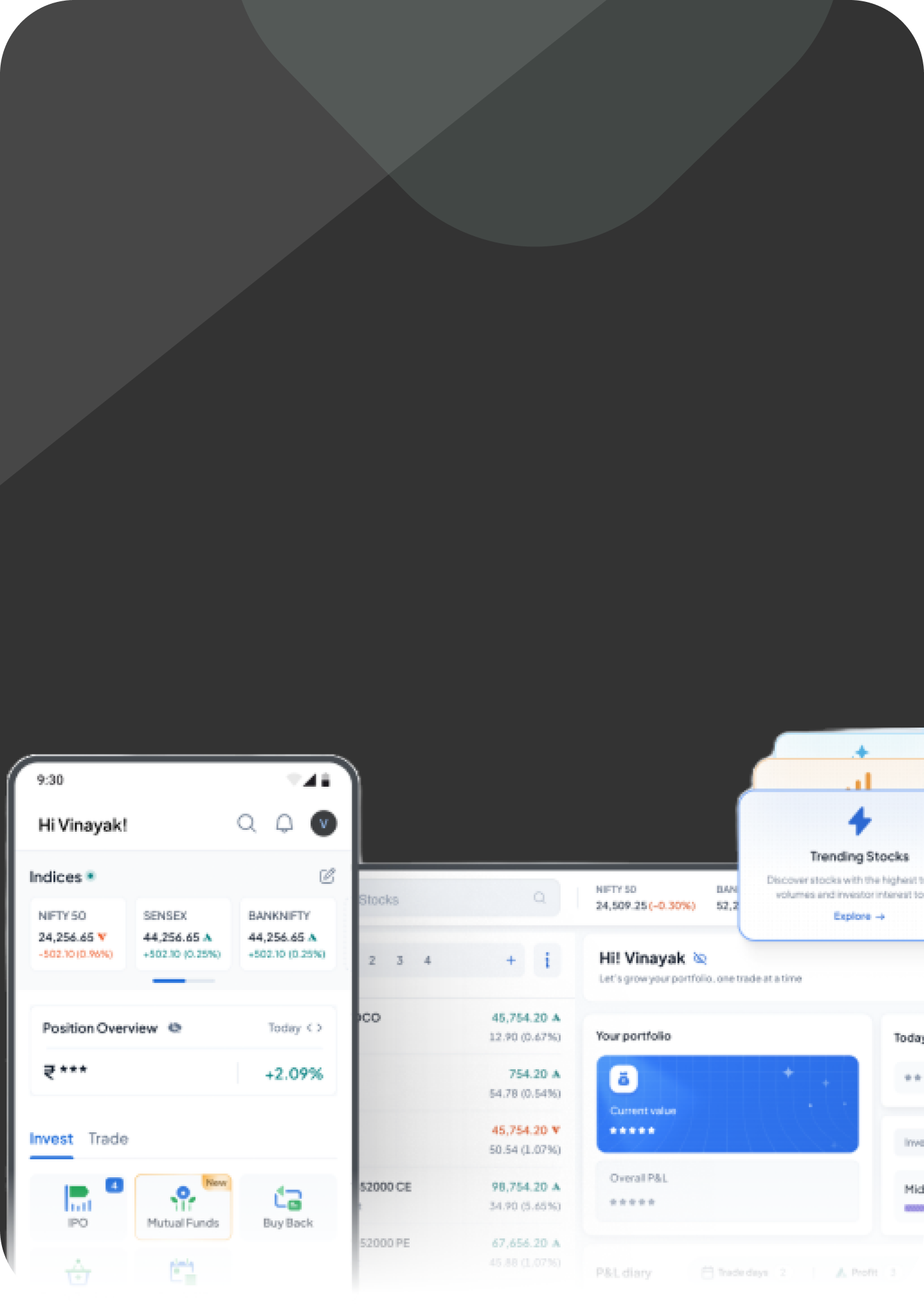
Using a demat account is simple once you get the hang of it. After opening one, you link it with your trading account and bank account. From there, you can start placing buy or sell orders. Your broker's platform or app will show your portfolio, track market trends, and even help you analyse your investments.
Conclusion
When it comes to the ease of buying and selling shares and a safe way to store your investments, we can all agree that in today's age of digitization, you simply cannot overlook the importance of a demat account. Indiabulls Securities Limited provides a trustworthy and safe-to-use platform to create your demat and trading accounts with utmost ease. With reliable customer care to assist you and industry-standard security levels, you can begin investing in no time at all with the ease and comfort of the environment they provide.