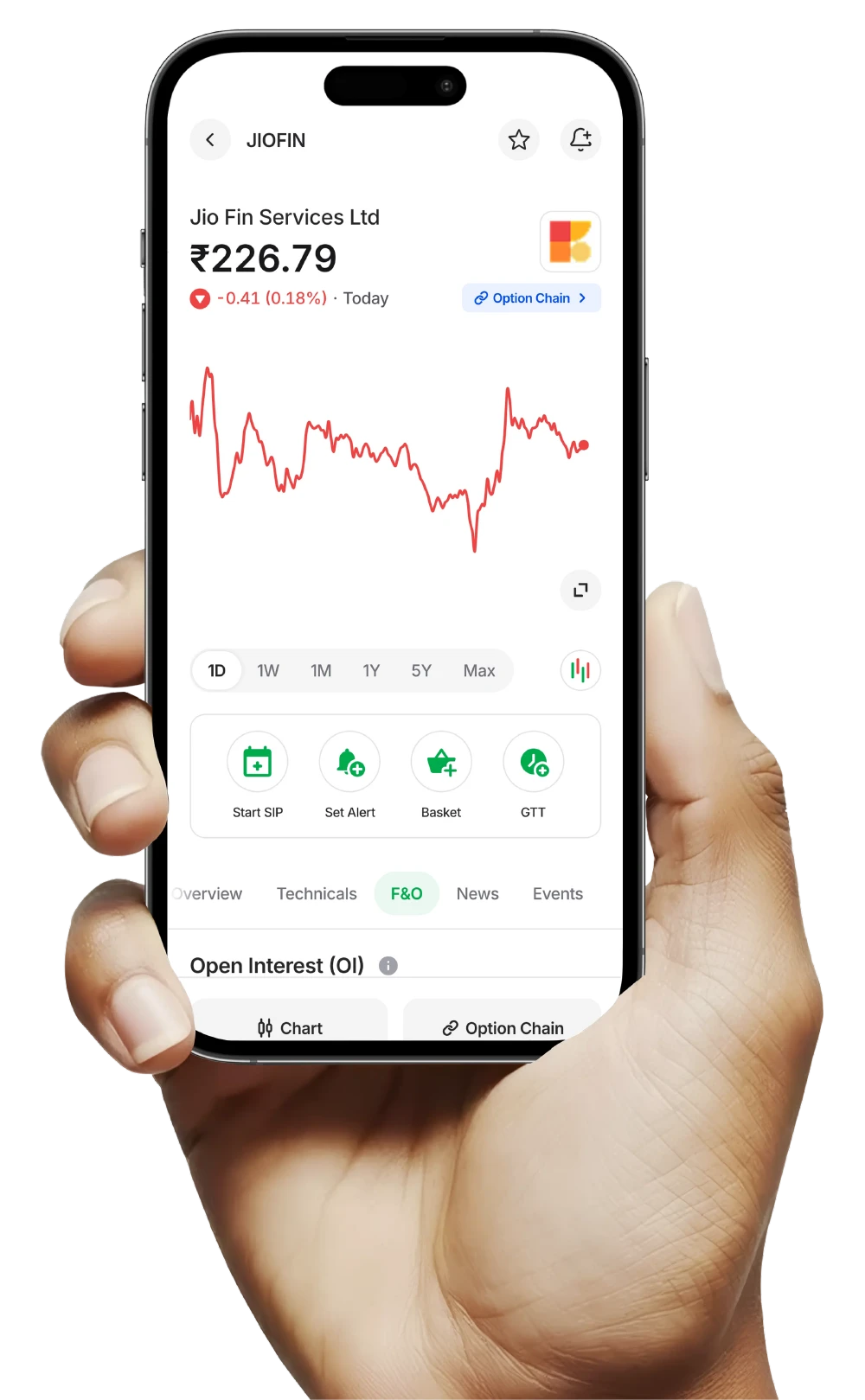


Understand how different order types work before placing a trade
Stop-Loss, GTT, Cover & Bracket Orders | As per exchange rules
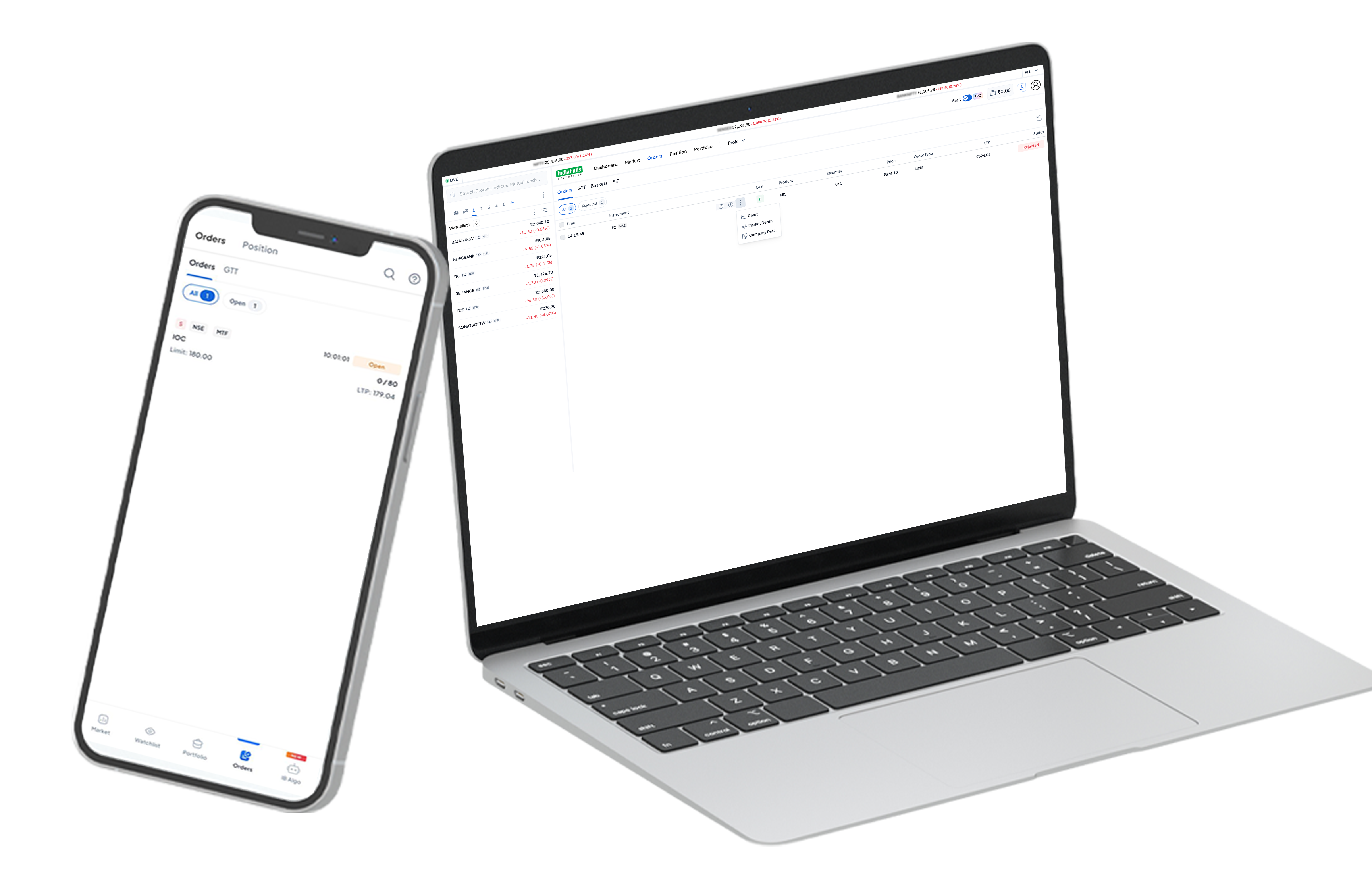
What Are Order Types?
Order types define how, when, and at what price a buy or sell instruction is sent to the exchange.
Different order types allow investors and traders to manage execution preference, price control, and risk exposure.
Availability of order types depends on the segment, exchange guidelines, and platform configuration.
Stop-Loss Orders (Risk Management)
Stop-Loss Order (SL/SL-M)
A stop-loss order triggers when a predefined price level is reached, helping manage downside risk.
Types
- • SL (Stop-Loss Limit): Trigger price + limit price
- • SL-M (Stop-Loss Market): Trigger price, then market execution
Use Case
Commonly used to limit losses on open positions.
Good-Till-Triggered (GTT) Order
A GTT order allows users to set a price trigger in advance. When the trigger price is reached during market hours, a limit order is automatically placed on the exchange.
- • Remains active until triggered or cancelled
- • Useful for planned entry or exit
- • Funds or securities are required only when the trigger activates
Intraday Order Types
Cover Order (CO)
An intraday order with a mandatory stop-loss.
- • Intraday only
- • Encourages predefined risk control
- • Availability subject to exchange and platform rules
Bracket Order (BO)
A structured intraday order where entry, target, and stop-loss are placed together
- •Target and stop-loss are linked
- •When one executes, the other is cancelled
- •Availability subject to exchange guidelines
AMO (After Market Order)
After Market Order (AMO) allows investors and traders to place buy or sell orders outside regular market hours, when the stock market is closed.
AMO orders placed after market close are stored by the system and sent to the exchange when the next trading session begins.
When can AMO be placed?
- • Orders that can be placed after-market hours. These get queued and are sent to the exchange when the market opens next.
- • Before the next trading session begins
- • Exact timings may vary as per exchange and system availability.(timing varies by segment).
Order Types By Segment
Order Types Across Segments
| Segment | Order Type |
|---|---|
| Equity Delivery | SL, GTT |
| Intraday | SL, CO, BO |
| Futures & Options Intraday | SL, CO, BO |
| Futures & Options Carry Forward | SL, GTT |
*Subject to exchange rules, contract validity, and platform availability
Choosing the Appropriate Order Type

Use Stop-Loss orders to manage downside risk(Also used for automatically managing risk or lock in profits without constantly monitoring the market
Use GTT orders for planned future execution
Use CO / BO for structured intraday trading
Order selection should align with individual trading or investment objectives.
Important Notes
- • Order execution is subject to market liquidity and price movement
- • Execution at a specific price is not guaranteed
- • Insufficient funds or securities may result in rejection
- • Users should understand order mechanics before placing trades
Glossary
Trading order types dictate how your buy/sell instruction executes, with core types including Market Orders (immediate execution at best available price), Limit Orders (specific price control, not guaranteed execution), and Stop Orders (triggering a market/limit order once a price level is hit for risk management, like Stop-Loss/Take-Profit). Other types like Stop-Limit, Trailing Stop, Bracket Orders, and GTC (Good 'Till Cancelled) offer advanced control over price, risk, and duration.
Order Types By Segment
Executes immediately at the best available price; prioritizes speed over price.
Frequently Asked Questions
No. Availability depends on the segment, exchange guidelines, and platform rules.
Place Orders With Better Clarity
Understand order types before trading in the securities market